Not all bees are the same
When we say “bee”, most of us picture a yellow-and-black insect that lives in a hive, gathers nectar and makes honey. But the world of bees is far more varied than we think.
More than 20,000 bee species have been scientifically described worldwide, and the real number is probably higher. Around 850 species are mentioned for Serbia, while roughly 250 have been recorded in the Belgrade area. These local figures are approximate: the lists keep growing with new finds.
Just imagine: while you walk through Kalemegdan, sit in a park or look at the flowers on your balcony, you may be only a few steps away from one of those bee species!
Bees that like to live alone
Unlike honeybees, which live in large colonies with a queen and thousands of workers, many wild bees lead a completely different life.
We call them solitary bees, because the females mostly build their nests, gather food and care for their future offspring on their own. They have no workers to help them and no big hives to keep up.
The female finds a place for the nest, brings pollen and nectar, lays her eggs and prepares everything the larvae will need. Some species nest close to others of their kind, but each female still does most of the work by herself.
Still, not all wild bees are loners. Bumblebees are wild bees too, and they live in social colonies.
Where do they live if they have no hive?
You may be surprised, but a wild bee’s home can be right under your feet!
Underground: Many species dig tunnels in the ground, especially in sunny spots with loose soil. Inside the tunnels they make small chambers for their offspring.
In hollow stems: Some choose dry stems, reeds and existing natural cavities. We also try to give them spaces like these in carefully built solitary bee hotels.
In old wood: Some species use holes made by other insects, while others hollow out the soft core of dry twigs or wood.
That is why an old branch, a patch of bare soil or a dry stem is not always something to clear out of the garden. For some bee it can be the perfect home.
Do solitary bees make honey?
They do not make honey in the amounts or the way honeybees do. They gather nectar and pollen to feed themselves and their offspring, but they do not build up large stores of honey that people could collect.
In each chamber the female leaves a store of pollen mixed with nectar, lays an egg and seals the chamber. When the larva hatches from the egg, its food is already waiting.
Imagine someone making you lunch for every day of your childhood before you were even born! That is exactly how solitary bees, in their own way, look after the generations to come.
Nature’s amazing builders
Some solitary bees have skills that the best craftsmen would envy.
Leafcutter bees cut almost perfect little circles out of leaves. They carry the pieces to the nest and line the larval chambers with them.
Mason bees use mud to build walls between the chambers. Each chamber is a separate room for one future bee.
And some species carry pollen on the hairs on the underside of their belly, so it looks as if they had a small, colourful brush under their body.
Nature is full of small wonders like these. We only need to look at them more closely.
Why do they matter so much if they make no honey?
Because their most important job is not making honey but pollinating plants.
While a bee visits flowers, grains of pollen stick to its body. When it flies on to another flower of the same plant species, it can carry some of that pollen across and so help seeds and fruit to form.
Mason bees of the genus Osmia are especially interesting, as they are important pollinators of fruit trees. They visit the blossoms of apples, pears, cherries and other fruit, often as early as the beginning of spring.
Some wild bees visit many plant species, while others specialise in particular flowers. That is why it matters to protect the diversity of pollinators, not just one species.
Do wild bees sting?
Although the word “wild” may sound frightening, most solitary bees are calm and do not attack people without a reason.
The females of many species have a sting, but they mostly use it only when they are caught, pressed or directly threatened. It is best to watch them without touching.
Next time you see a bee on a flower, do not wave your hands. Watch it for a few moments. You may discover something you had never noticed before.
How can we help wild bees?
Helping wild bees does not take much space. Even a balcony can become a small station for pollinators.
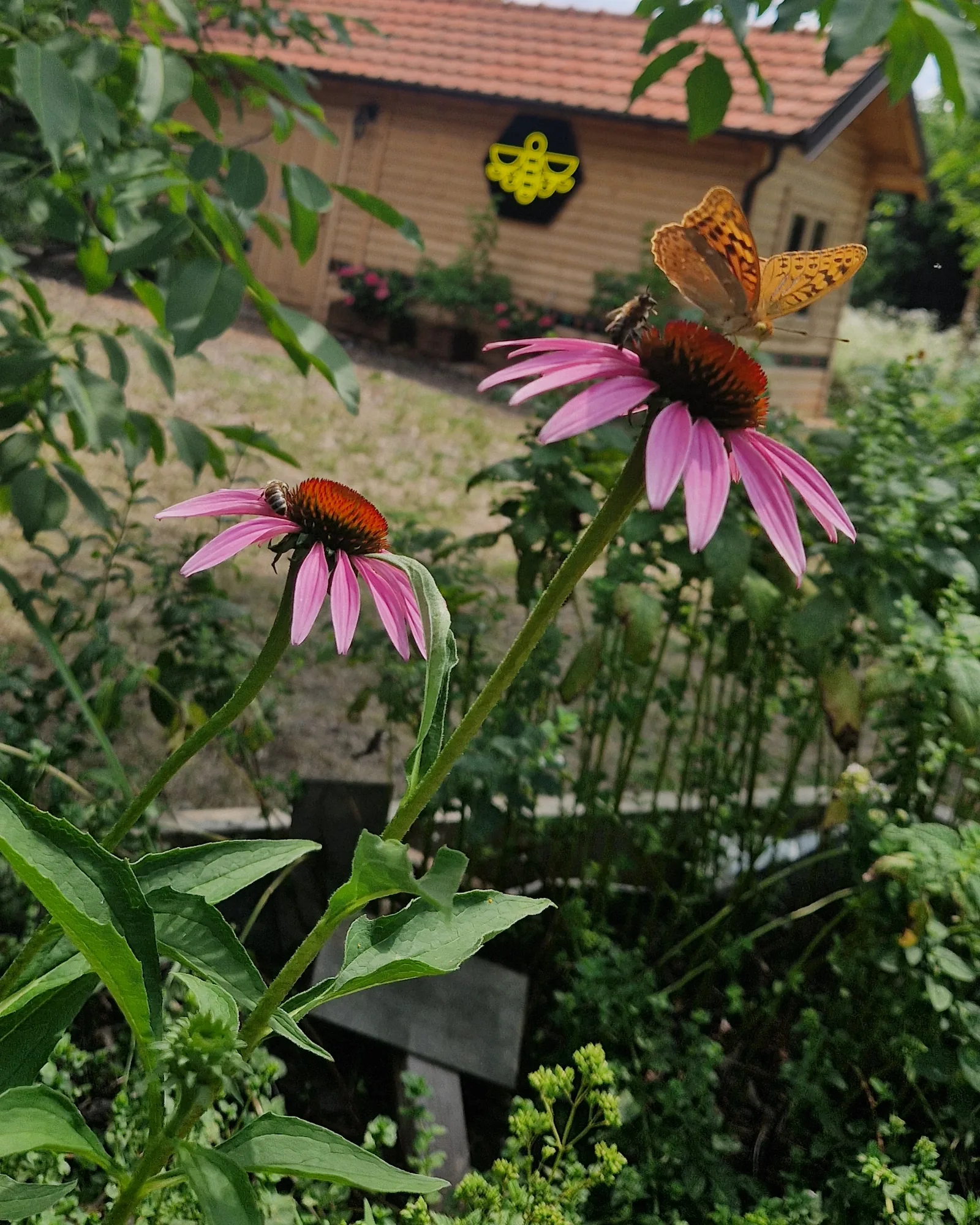
Plant flowers that offer nectar and pollen, such as lavender, mint and lemon balm. Leave part of the garden to wild flowering plants, along with the odd dry stem where bees can find a place to nest.
If you have a garden, also leave a small sunny patch of bare soil. Many species do not use insect hotels and nest underground instead. Avoid using pesticides when they are not needed.
The most beautiful gardens are not always the perfectly mown and tidy ones, but the ones that leave room for life.
Small bees, a big lesson
At the Honey Garden in the Silosi we believe that nature is best protected once we get to know it.
That is why, through The Hive of Knowledge programme and our workbook, we want to bring children closer not only to honeybees but to the whole world of pollinators around us.
We want children to learn that a bee does not have to make honey to matter. That even the smallest inhabitants of nature are part of one big system. And that even a small change in a yard, a school or on a balcony can mean a lot to someone.
Perhaps a child who discovers a bee in a hollow twig today will look at a dry plant differently tomorrow. Perhaps they will feel curiosity instead of fear. And perhaps they will be the one to suggest planting a few more flowers in the school yard.
Because a love of nature often begins with a simple question: “And what kind of bee is this?”
A small research task from The Hive of Knowledge
Next time you go out to a park, a garden or onto a balcony, try to find a bee on a flower.
Watch it carefully, without touching. Is it big or small? Is it hairy? What colour is it? Does it carry pollen on its legs or under its belly?
If you can, take a photo of it and try to work out which group it belongs to.
You may just have met one of your many Belgrade bee neighbours!
Photographs of wild bees: 10 different species
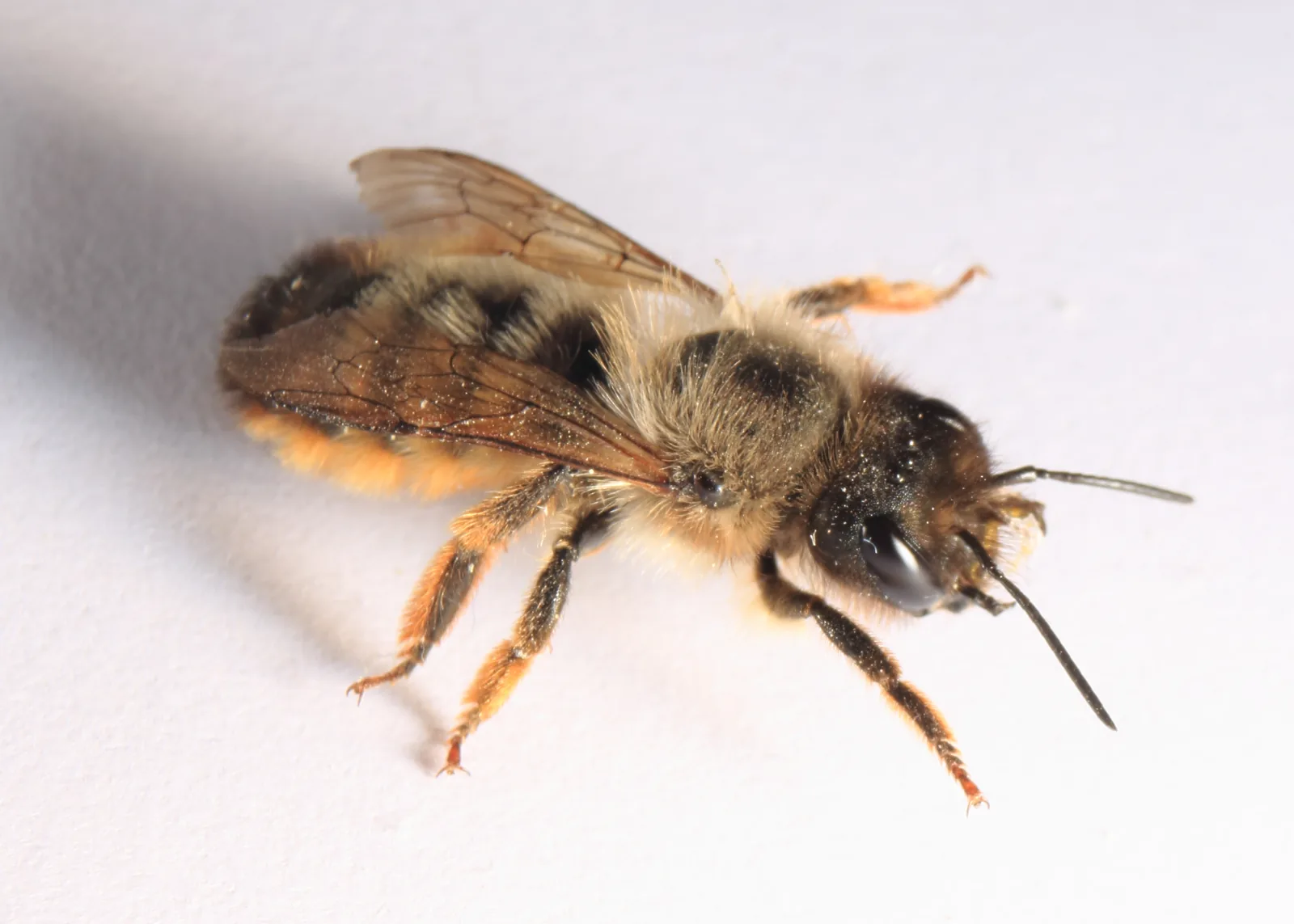
Osmia bicornis
Red mason bee
Nests in cavities, with walls made of mud.
Photo: NobbiP
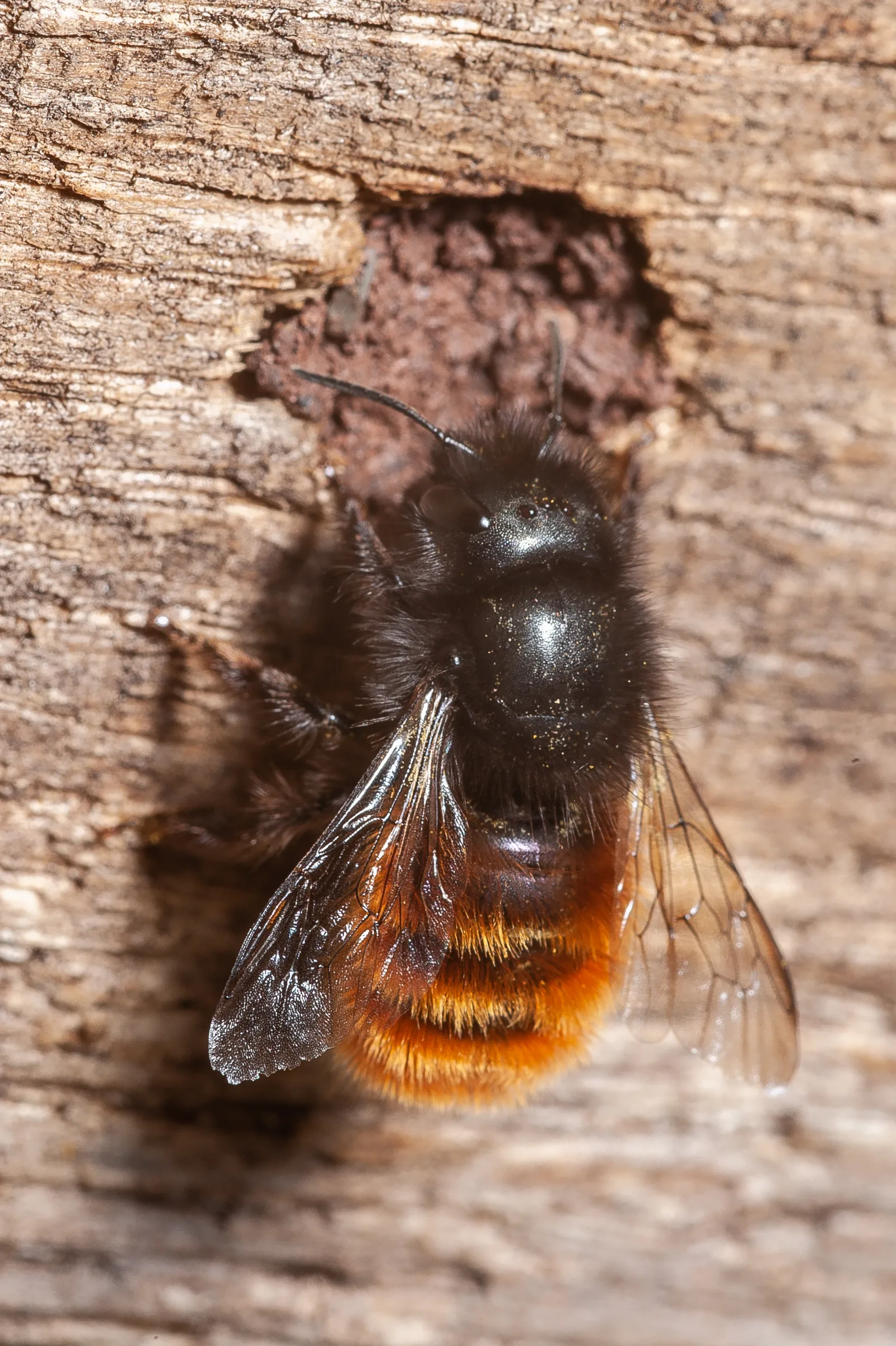
Osmia cornuta
Horned mason bee
An early spring pollinator of fruit trees.
Photo: Pjt56
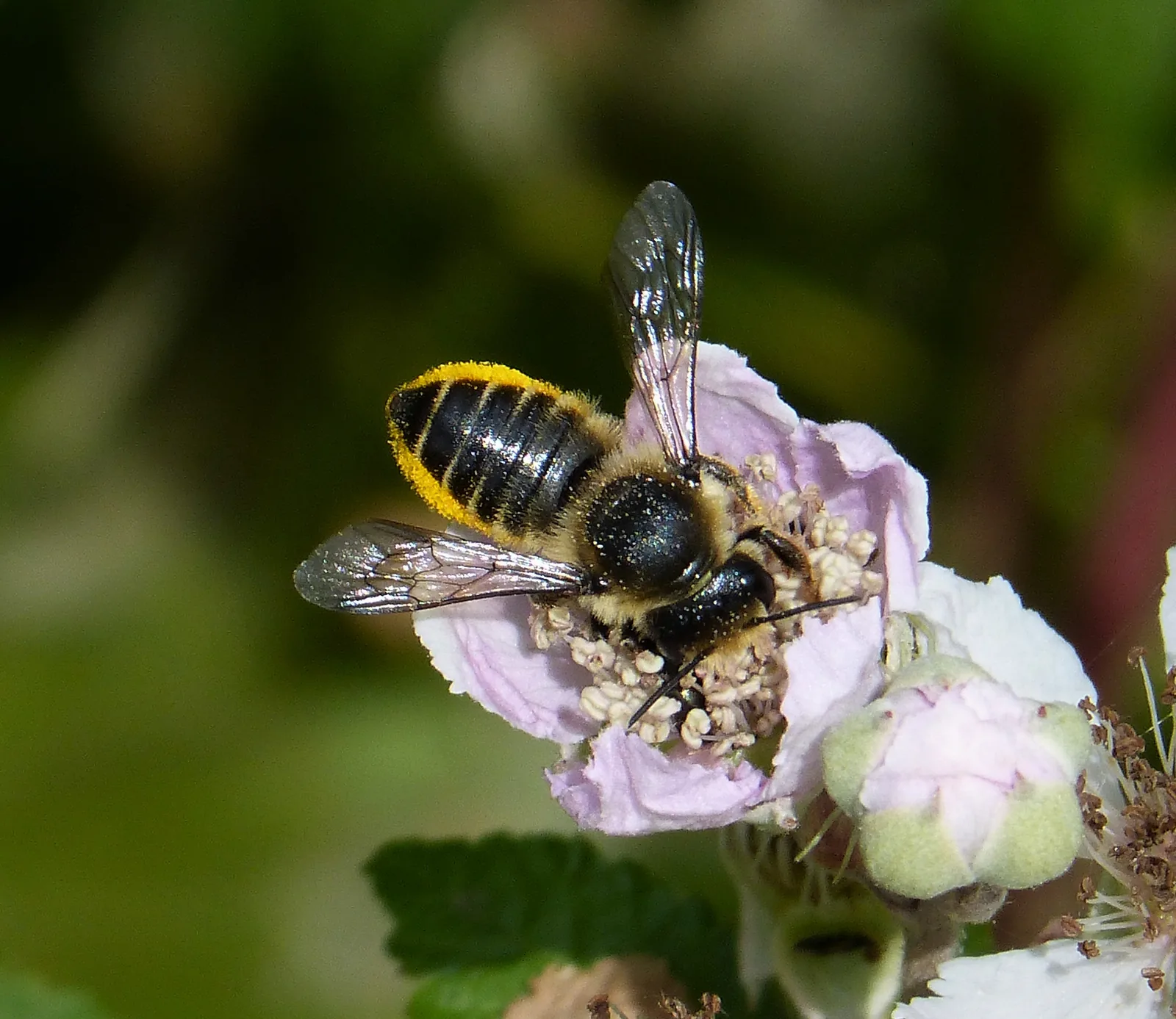
Megachile centuncularis
Leafcutter bee
Cuts pieces of leaves to line its nest.
Photo: gailhampshire
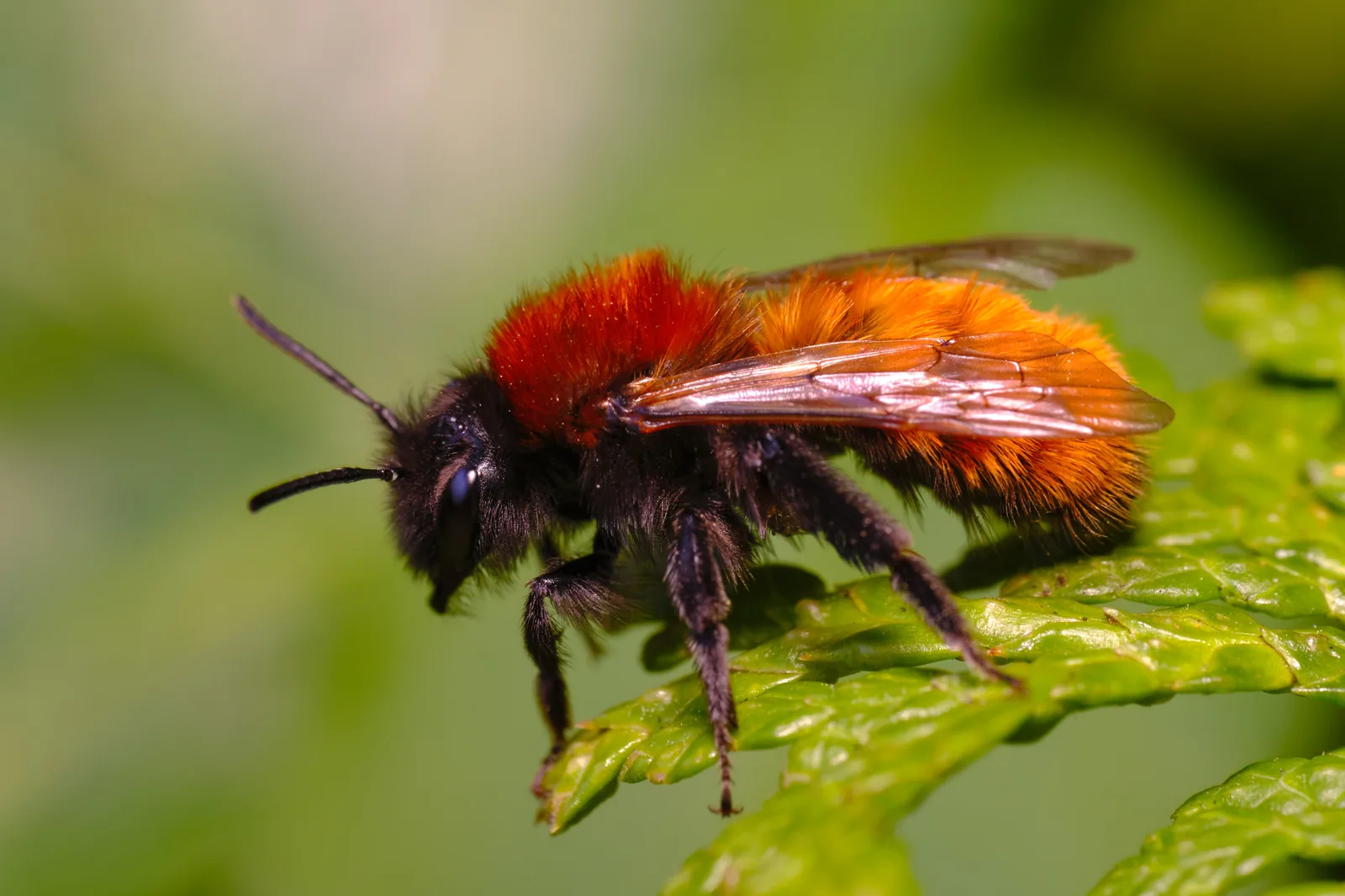
Andrena fulva
Tawny mining bee
Digs its nests in the ground.
Photo: Lukas Large
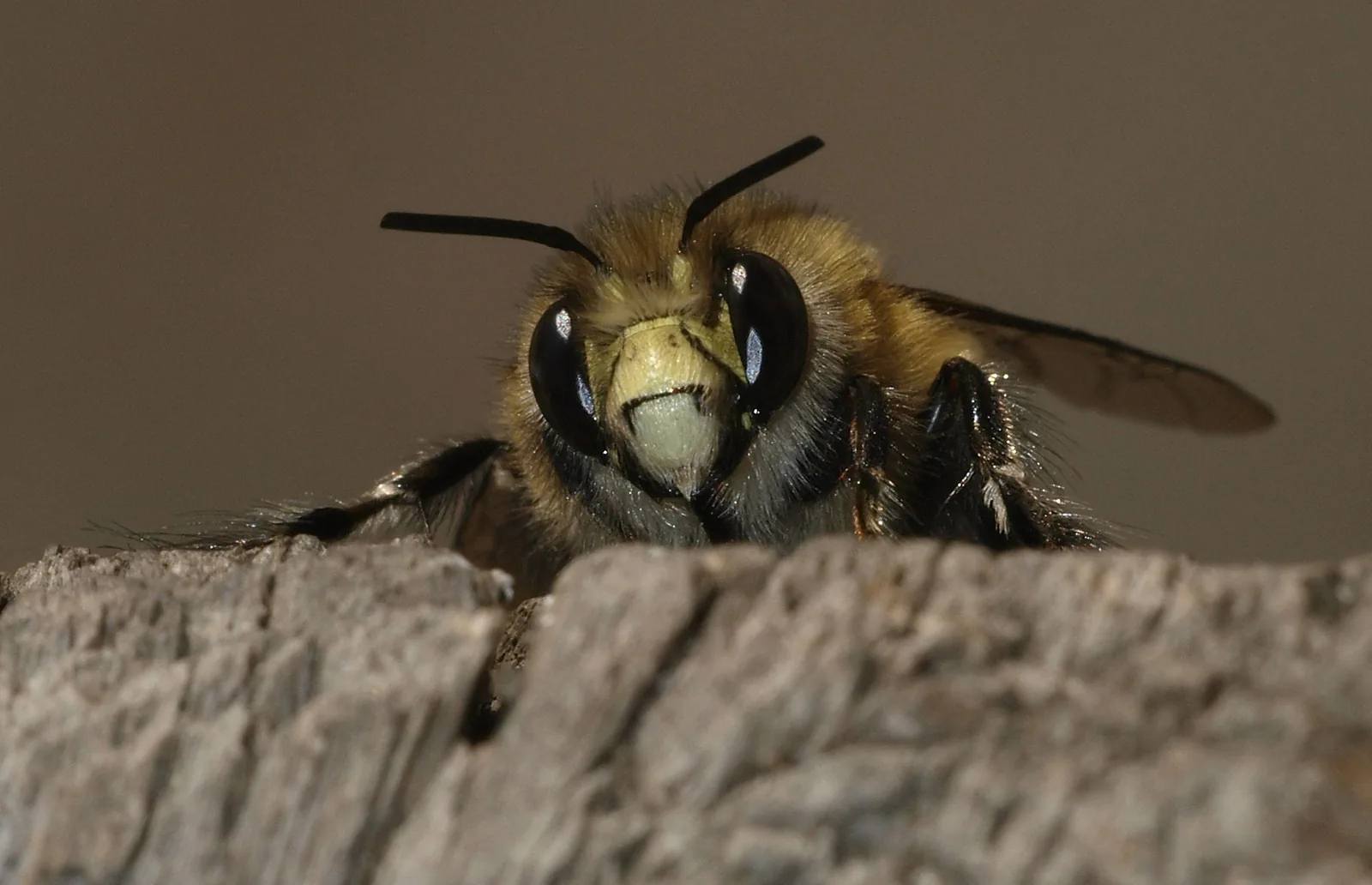
Anthophora plumipes
Hairy-footed flower bee
Flies quickly between spring flowers.
Photo: Atalanta
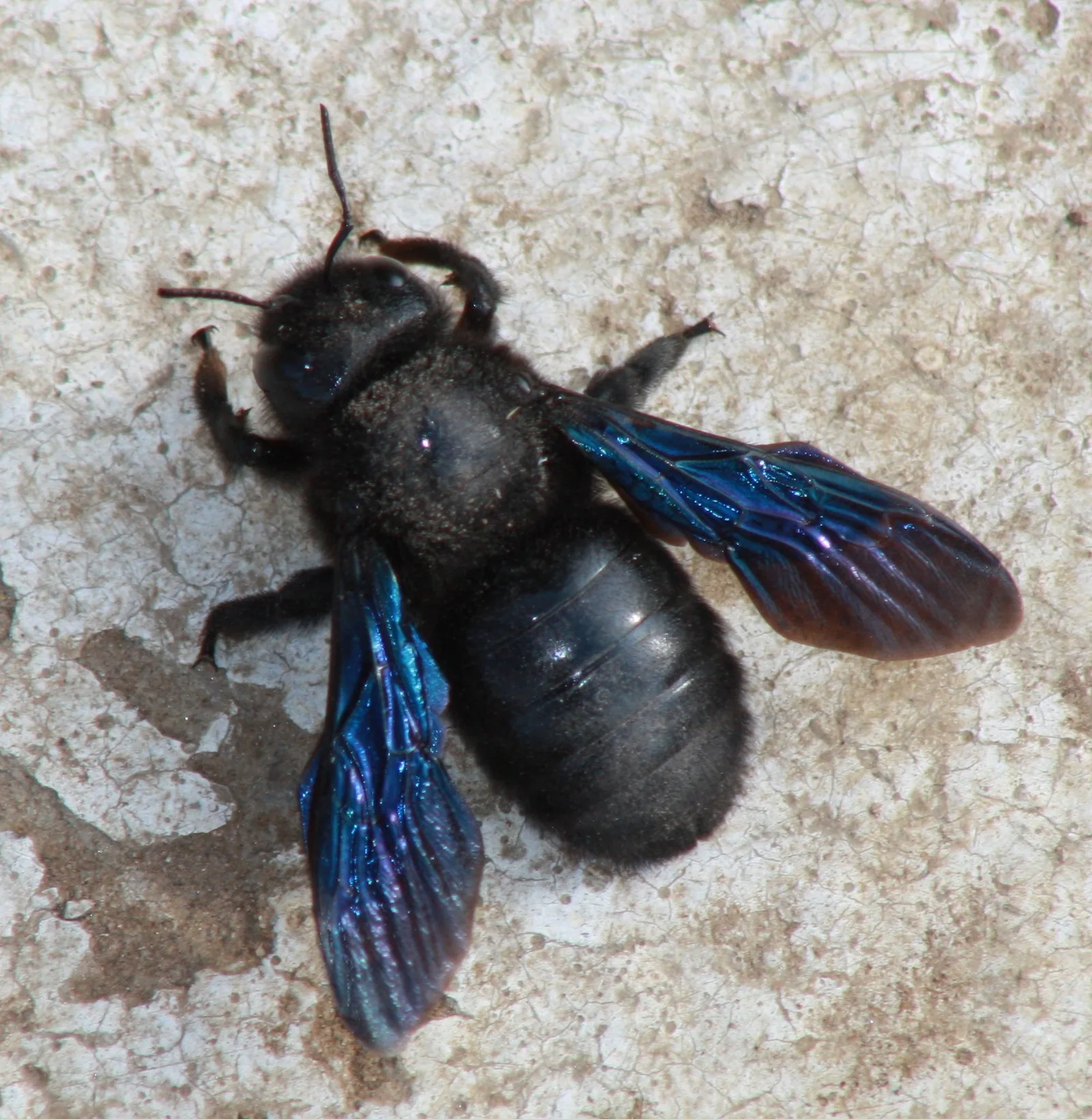
Xylocopa violacea
Violet carpenter bee
A large dark bee with a violet sheen.
Photo: Peter Frank
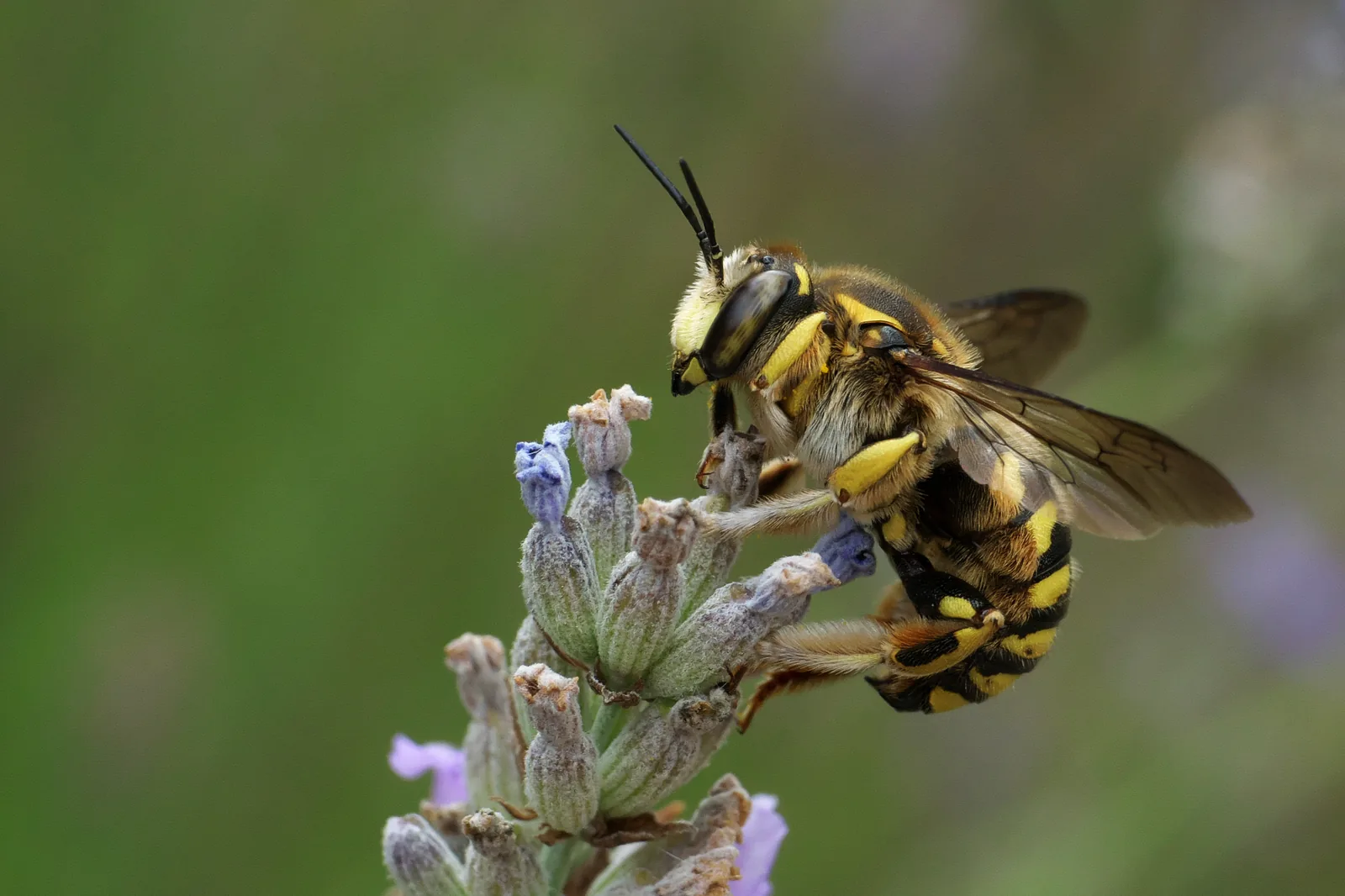
Anthidium manicatum
Wool carder bee
Gathers plant fibres for its nest.
Photo: Frank Vassen
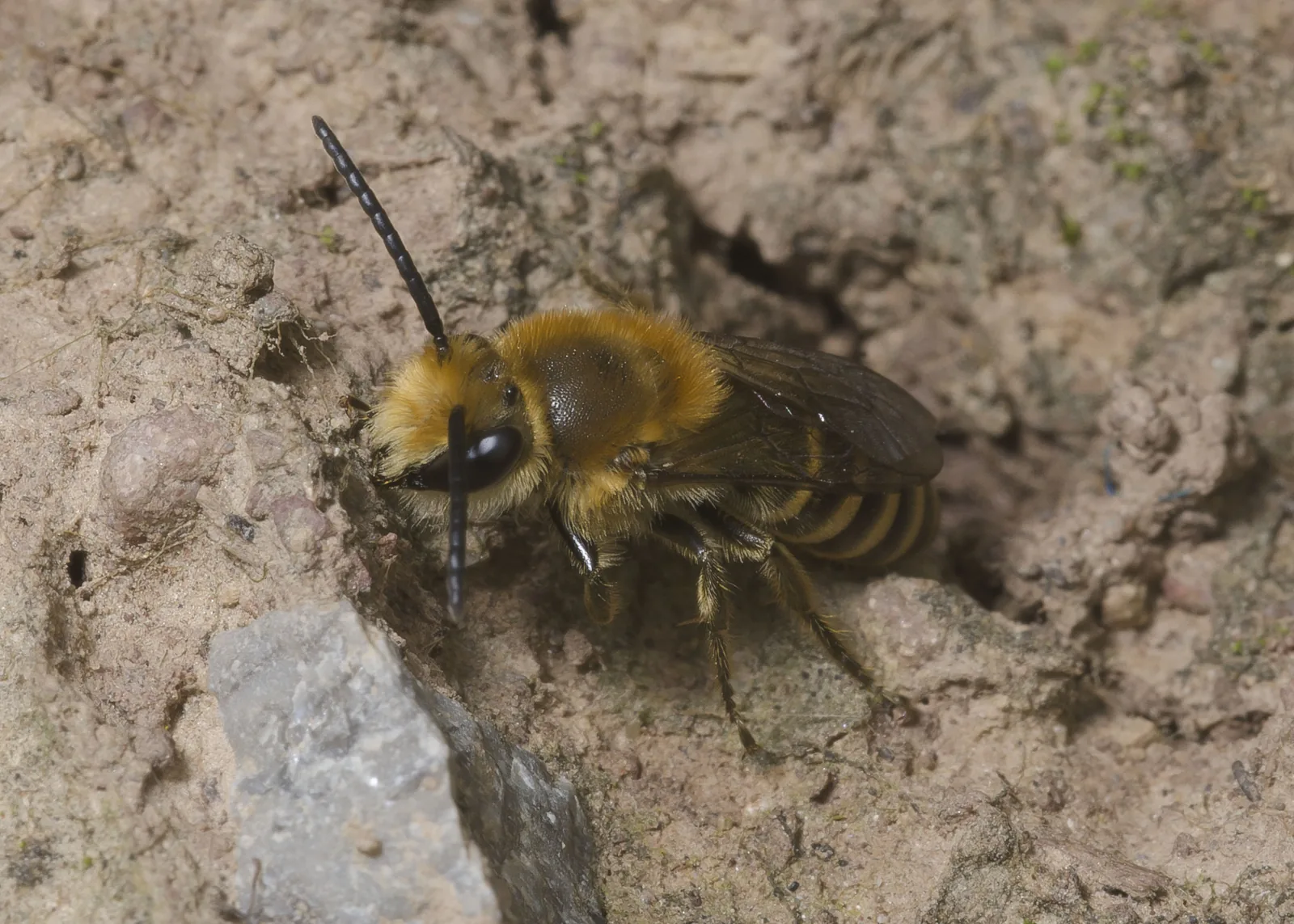
Colletes hederae
Ivy bee
A late-season species tied to the flowering of ivy.
Photo: Pjt56
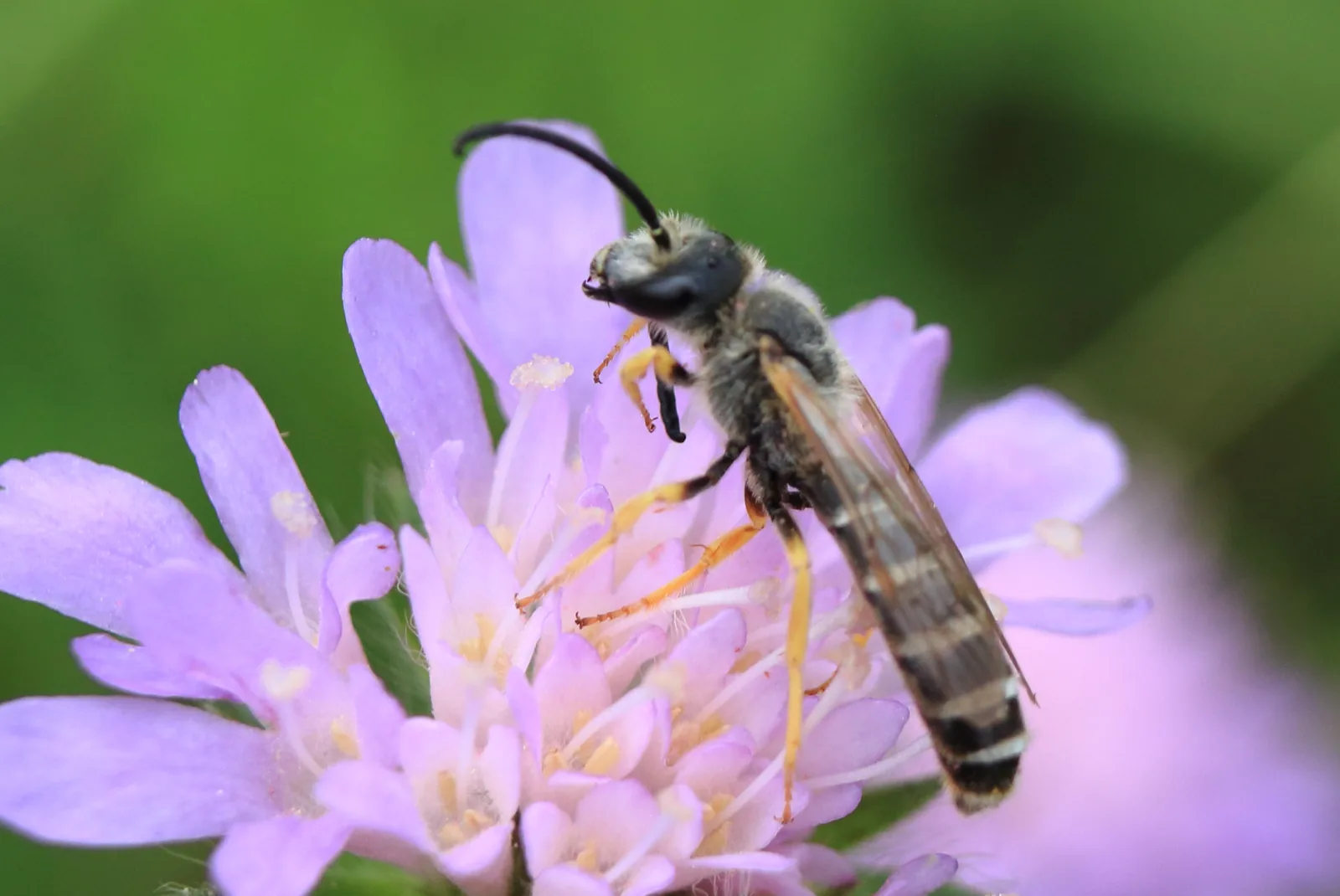
Halictus scabiosae
Great banded furrow bee
An example of how varied the lives of wild bees are.
Photo: NobbiP
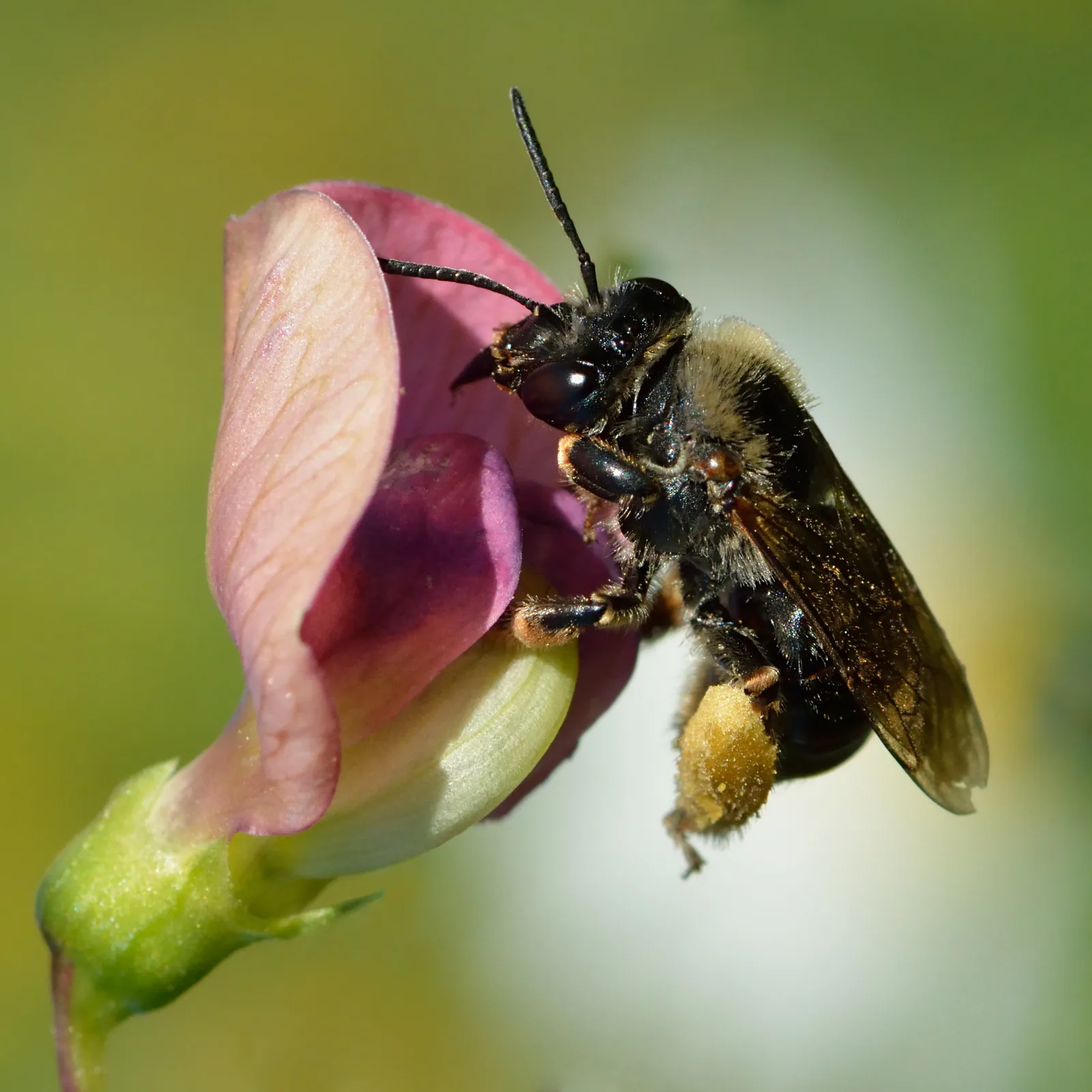
Eucera longicornis
Long-horned bee
The males have exceptionally long antennae.
Photo: Ivar Leidus
The wild bee photographs come from Wikimedia Commons, under the licence listed with each one; on this site they are resized and cropped.
- Osmia bicornis: NobbiP, Wikimedia Commons, CC BY-SA 3.0
- Osmia cornuta: Pjt56, Wikimedia Commons, CC BY-SA 4.0
- Megachile centuncularis: gailhampshire, Wikimedia Commons, CC BY 2.0
- Andrena fulva: Lukas Large, Wikimedia Commons, CC BY-SA 2.0
- Anthophora plumipes: Atalanta, Wikimedia Commons, CC BY-SA 3.0
- Xylocopa violacea: Peter Frank, Wikimedia Commons, CC BY 3.0
- Anthidium manicatum: Frank Vassen, Wikimedia Commons, CC BY 2.0
- Colletes hederae: Pjt56, Wikimedia Commons, CC BY-SA 4.0
- Halictus scabiosae: NobbiP, Wikimedia Commons, CC BY-SA 3.0
- Eucera longicornis: Ivar Leidus, Wikimedia Commons, CC BY-SA 4.0