Protecting biodiversity often sounds like a big and distant topic. Real impact, however, comes when global initiatives are put to concrete use in a local community: through hives, new generations learning about nature, and long-term partnerships between companies and organisations that share the same values.
This is exactly the principle behind the Billion Bees Program, a global initiative of the company APIVITA, carried out in cooperation with the international network 1% for the Planet.
BeeCenter and GAIA Pokret are part of this project in Serbia, with a shared goal: to contribute through hands-on work to preserving bees, protecting biodiversity and, perhaps most importantly, educating new generations.
A global idea, a local result
The Billion Bees Program is aimed at regenerating bee populations around the world, and also at teaching people why bees, pollinators and biodiversity matter.
In Serbia that idea turns into very concrete activities.
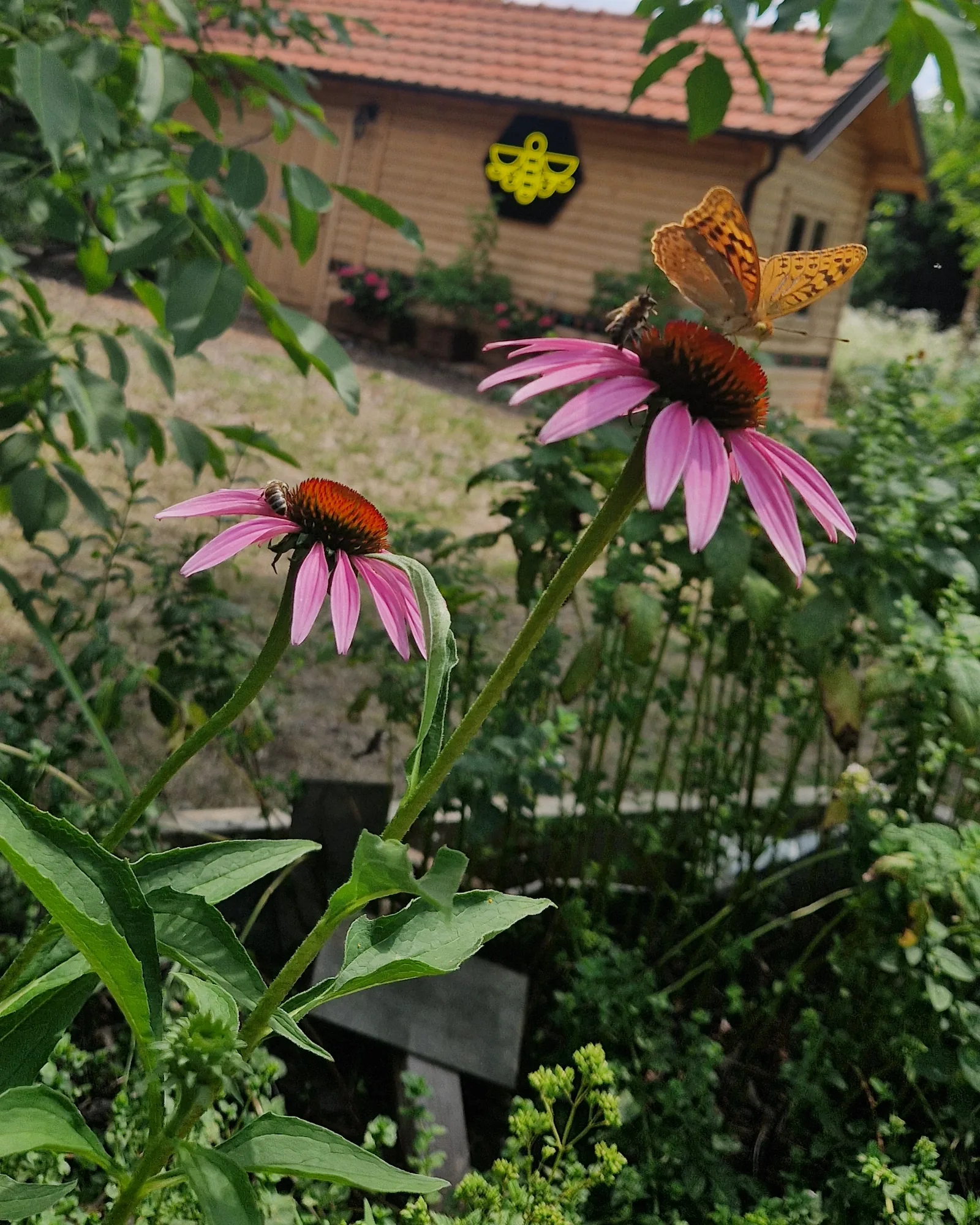
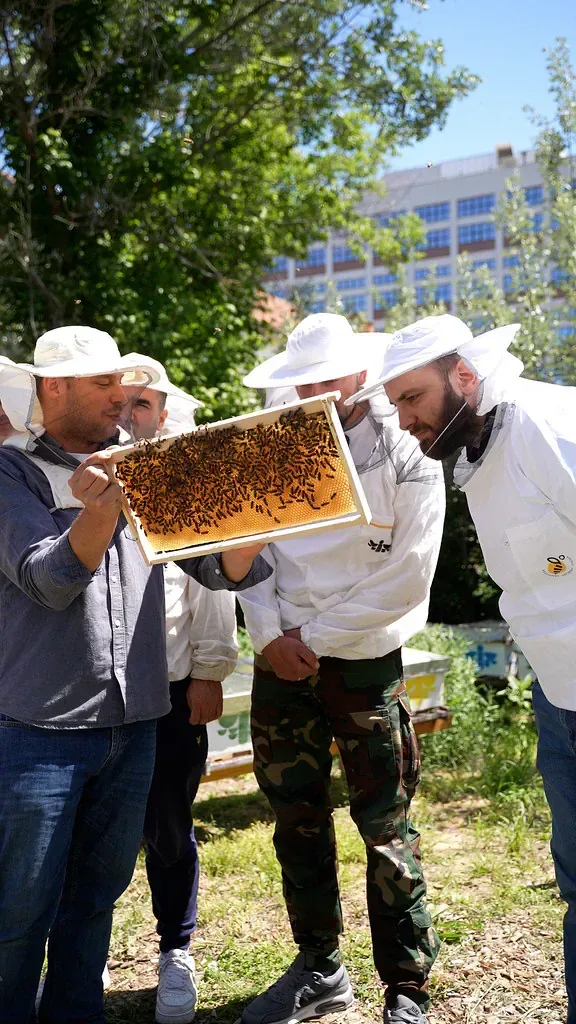
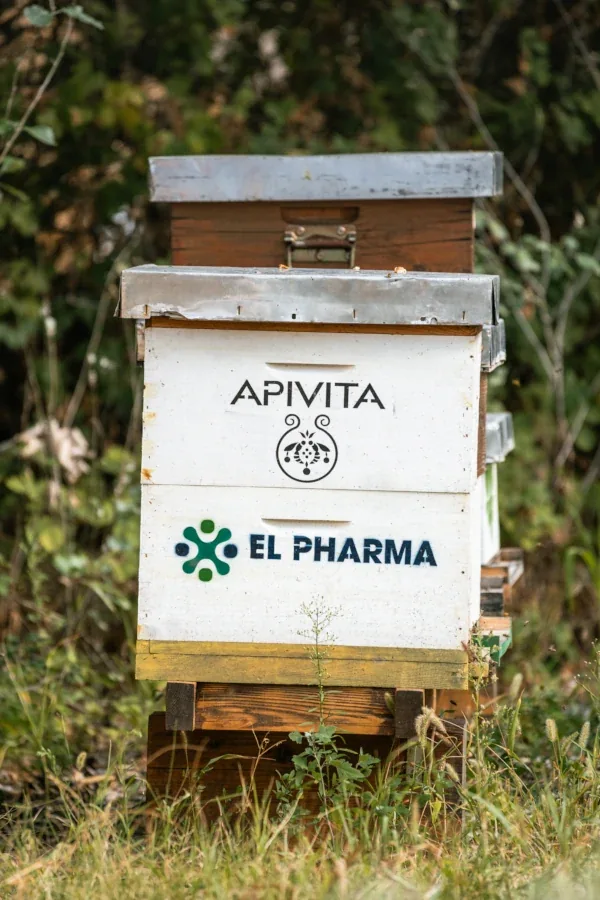
As part of our cooperation with APIVITA, today we look after eight hives placed at different locations in Belgrade. They are not only a home for bee colonies, they have also become a starting point for a conversation about the kind of relationship with nature we want to build in the city.
The second, equally important part of the project is educating children.
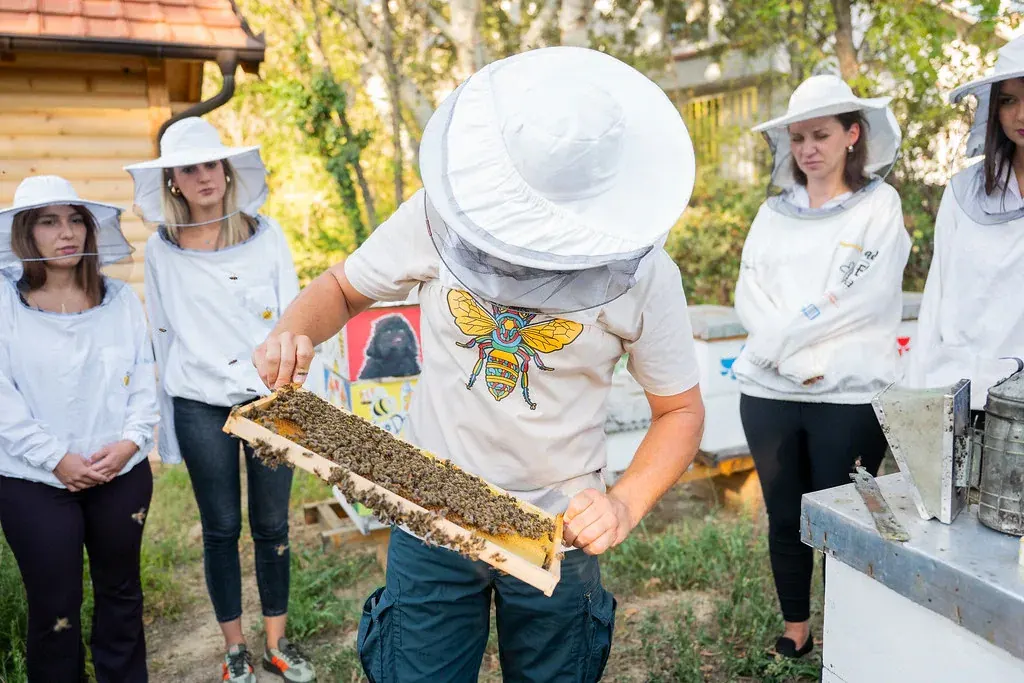
Through joint programmes we have so far taught more than 200 children from Belgrade kindergartens and schools. Through direct experience the children get to know the world of bees, how they live, the role of pollination and the link between bees, plants, the food we eat and the ecosystem around us.
Our idea is not for the children merely to memorise a few facts about bees. We want them to understand why bees matter.
Why do we start with children?
Our relationship with nature does not begin when we grow up. It is built much earlier.
When a child sees a hive, meets a beekeeper, watches bees and learns how one small pollinator affects a whole ecosystem, biodiversity stops being an abstract idea.
It becomes something they can see, understand and protect.
That is why we see education as one of the most important investments in protecting nature.
Every new hive matters. Every new honey plant matters. But every child who understands why they are there matters just as much.
A partnership that does not stop at communication
Companies today are more and more often asked how to turn sustainability, social responsibility and environmental protection into concrete activities.
Billion Bees is a good example of what such cooperation can look like.
The company brings support and the chance for the project to grow over the long term. The local partner brings knowledge, infrastructure, work on the ground and a direct link with the community. The result is not just a campaign but activities that can be seen, followed and continued year after year.
For us at BeeCenter, that is exactly the most important part of partnerships like this.
We do not want bees to be a symbol that turns up once a year in a post for World Bee Day. We want to build long-term programmes around them: from caring for bee colonies and planting honey plants to educating children, employees and the wider public.
GAIA Pokret and 1% for the Planet
This partnership carries special weight because GAIA Pokret is part of the global 1% for the Planet network.
This international network connects companies and organisations that work together on environmental problems, and makes it possible for part of business success to go directly to concrete environmental projects.
For GAIA Pokret it is a natural continuation of its work in Belgrade, which brings together ecology, education and getting the community involved.
Through BeeCenter this approach gains a very specific focus: bees, pollinators, honey plants, urban nature and children’s education.
What can the business sector learn from the Billion Bees model?
An environmental project does not have to be a separate CSR activity with no link to the rest of the company.
The best partnerships happen when a company finds a theme that matches its values and then connects with an organisation that can turn that theme into a concrete, long-term programme.
Such cooperation can at the same time include protecting nature, educating the local community, engaging employees and supporting projects that remain after a single campaign or event.
That is exactly why Billion Bees means much more to us than a project with hives.
It shows what is possible when a global company, an international network and local organisations join forces around a clear goal.
Eight hives. More than 200 children. And we have only just begun.
Numbers matter because they show that something really happened.
Today the Billion Bees project in Belgrade means eight hives that we look after and more than 200 children who, through our joint education programmes, have had the chance to get to know the world of bees up close.
But the long-term goal is much bigger.
We want to create a city with more food for pollinators, more room for nature and more people who understand why biodiversity matters.
And changes like that are hard for one organisation to make alone. They take partnerships.
That is why we believe the future of nature protection projects lies precisely in cooperation between companies, organisations, experts and the local community, not through one-off actions but through programmes that can grow year after year.
Billion Bees is one of those programmes.
And we are proud that its story lives in Belgrade too.
Project partners